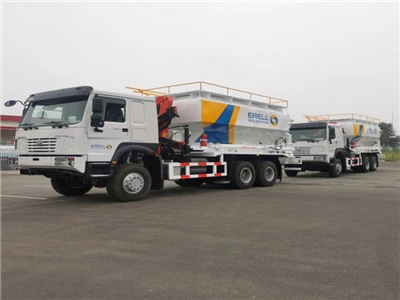
Operating with transporting mixed explosives is a matter of life and death at every step. Adhering to these precautions is not a suggestion, but an absolute rule that must be followed. These provisions, derived from lessons learned in blood and rigorous scientific analysis, constitute the minimum safety standard.
Personnel and Qualifications: Inviolable Red Lines
1. Strict Prohibition of Unlicensed Operation: Drivers and escorts must hold valid qualification certificates for the corresponding category of dangerous goods transportation and participate in regular refresher training. No unqualified personnel may engage in driving, escorting, or loading/unloading operations.
2. Strict Prohibition of Working in Poor Condition: It is strictly forbidden to perform tasks while under the influence of alcohol, excessively fatigued, under the influence of psychotropic drugs, or during periods of severe emotional fluctuation. Before departure, ensure physical and mental health and concentration.
Vehicles and Documents: Eliminate "Defective" Operations
1. Strict Prohibition of Defective Vehicles from Departing: No known vehicle malfunctions will be tolerated. Any malfunctioning safety device (fireproof cover, grounding strap, fire extinguisher, warning signs) must be repaired immediately. 1. Vehicles must pass their annual inspection on schedule and be within the inspection validity period.
2. Strictly prohibit "three violations" (violation of regulations, operating procedures, and labor discipline): Strictly prohibit illegal command, illegal operation, and violation of labor discipline. All operations must adhere to approved transport documents and safety regulations. Any simplified procedures or verbal "special approvals" must be refused.
3. Strictly prohibit incomplete or inconsistent documentation: All valid documents must be carried on board, including: Road Dangerous Goods Waybill, Cargo Safety Data Sheet (MSDS), etc. Cargo information must be completely consistent with the documents; otherwise, transport may be refused.
Loading Operations: Details Determine Success or Failure
1. Strictly prohibit mixing of incompatible goods: Compatibility checks must be strictly performed before loading. Different explosives or their raw materials must be effectively separated according to classification and isolation tables. Contact or mixing between them in spaces without physical barriers is strictly prohibited.
2. Strictly prohibit rough handling: Handle with care; rolling, throwing, collision, and dragging are strictly prohibited. Use specialized explosion-proof tools; direct striking with metal tools that may generate sparks is strictly prohibited.
3. Overloading, exceeding limits, and improper loading are strictly prohibited: Exceeding the vehicle's rated load capacity is strictly prohibited. Goods must be placed securely and evenly, and firmly secured to prevent movement or friction during transport. After loading, the cargo compartment must be locked and sealed with a lead seal.
During transport: Maintain maximum vigilance at all times
1. Strictly prohibit unauthorized routes and stops: Driving must strictly adhere to the time and route approved by the public security department. Unauthorized parking is strictly prohibited in densely populated areas, scenic spots, water sources, bridges, tunnels, and other prohibited areas. If parking is necessary, a safe, open area must be chosen, and a designated person must be on guard.
2. Strictly prohibit unsafe driving behaviors: Speeding, fatigued driving, forced overtaking, and sudden braking or turning are strictly prohibited. Maintaining a sufficient safe distance from the vehicle in front and driving smoothly are paramount.
3. Strictly prohibit disconnection from monitoring and communication: Ensure the vehicle's satellite positioning and communication equipment are functioning normally throughout the entire journey; intentionally shutting them down or damaging them is strictly prohibited. Maintain open communication with the dispatch center and report location and status regularly.
Parking and Handover: Safety Doesn't End with Stopping
1. No Random Parking: During the journey and after completing the mission, vehicles must be parked in designated hazardous materials parking areas. Parking in ordinary parking lots, residential areas, roadsides, or other undesignated areas is strictly prohibited.
2. No Improper Handover: Upon arrival at the destination, a proper handover must be conducted with the recipient. Verify documents, check seals and the condition of the goods, and obtain a signed confirmation. Unclear handover will not absolve responsibility.
Emergency Response: Calmness is Paramount
1. No Blind Rescue Attempts: In the event of leaks, fires, or other emergencies, immediately call the police (clearly stating the nature of the explosive). Following the emergency plan, and ensuring your own safety, use the onboard emergency equipment to handle the situation within an initially controllable range. If the fire or leak expands, immediately evacuate to a safe area, establish a perimeter, and await professional rescue. Individual heroism is strictly prohibited.
2. Strictly prohibit concealment: Any accident, emergency, or potential hazard must be reported immediately and truthfully. Concealment or delay in reporting is strictly prohibited.
In summary, the precautions for operating mixed explosives transport vehicles are behavioral prohibitions condensed from countless safety regulations. It requires practitioners to elevate their passive compliance from "must do" to a proactive safety awareness of "not daring to violate, not being able to violate, and not wanting to violate." Only by treating each precaution as an inviolable red line can absolute safety be safeguarded in this journey of dancing with risk.