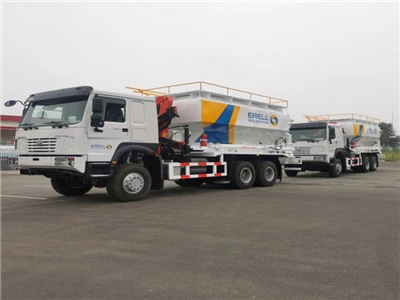
Underground loaders are core trackless equipment specifically designed for loading and short-distance transport of loose materials in underground environments such as mines and tunnels. Their development closely mirrors the evolving needs of global mining development and underground engineering construction, serving as a crucial indicator of a country's modernization level in underground resource extraction technology and equipment.
Industry Background: Originating from Demand, Achieved Through Technology
With the continuous growth in demand for mineral resources due to global industrialization, easily exploitable shallow resources are becoming increasingly depleted, leading to a continuous expansion of mining into deeper areas with complex geological conditions. Simultaneously, large-scale water conservancy and transportation tunnel projects are constantly being advanced. Traditional manual or semi-mechanized operations can no longer meet the efficiency, safety, and economic requirements of modern deep-earth engineering. It is against this backdrop that the underground loader industry has evolved from early simple rail-mounted rock loaders into modern, highly efficient equipment powered by internal combustion engines, featuring articulated steering and tire propulsion.
The industry's development is driven by multiple factors: on the demand side, deep mining and efficient ore extraction are essential; on the policy side, increasingly stringent regulations on mine safety and environmental protection in various countries are forcing equipment upgrades; on the technological side, advancements in mechanical manufacturing, hydraulic transmission, electronic control, and materials science have made efficient, reliable, and intelligent equipment possible. Today, it has become an indispensable key link in achieving large-scale, continuous mining in underground mines.
Development Path: From Mechanization to Intelligentization
The industry's development has undergone distinct stages of evolution:
1. Mechanization and Popularization Stage: The core goal was to replace manual labor and improve the efficiency of individual machines. Equipment was primarily diesel-powered, focusing on solving power, mobility, and basic reliability issues in harsh underground environments.
2. Safety and Environmental Protection Enhancement Stage: With increased attention to miners' occupational health and safety, the industry's focus shifted to reducing equipment exhaust pollution, noise reduction, and improving cab protection (ROPS/FOPS) and overall fire resistance. Explosion-proof technology and exhaust gas purification technology (DPF/DOC) became key development areas.
3. The Automation and Intelligent Revolution Stage: The Core Direction for the Present and Future. Through the application of technologies such as remote control, autonomous driving, equipment health management, and cluster scheduling, the aim is to achieve "safety with fewer personnel and greater safety" and "continuous efficiency." This is not merely a technological upgrade, but a fundamental transformation of traditional mining models.
Industry Significance: Multidimensional Value and Strategic Role
The healthy development of the underground loading vehicle industry has multiple strategic significances beyond simple equipment manufacturing:
1. Economic Value: The Cornerstone of Mining Efficiency and Profitability. The efficient operation of modern underground loading vehicles directly determines the mine's ore extraction capacity and production costs, making them key equipment for ensuring stable resource supply and improving the profitability of mining enterprises. Their technological upgrades directly drive a leap in mining production efficiency.
2. Safety Value: A Technological Barrier Safeguarding Miners' Lives. By achieving remote control and autonomous driving, operators can be freed from the high-risk and harsh conditions of underground working faces, fundamentally eliminating direct safety risks such as roof falls, dust storms, and explosions. The equipment's own safety protection design also provides more reliable protection for underground workers.
3. Environmental and Social Value: Promoting Green Mining Development. Electric underground loaders achieve zero emissions in underground operations, significantly improving underground air quality and protecting miners' health. Intelligent and less-manned mining also improves the working environment for miners, helps enhance the social image of the mining industry, attracts talent, and promotes sustainable development.
4. Industrial and Technological Value: An Important Component of High-End Equipment Manufacturing. Underground loaders are technology-intensive special engineering machinery. Their R&D and manufacturing levels reflect a nation's comprehensive strength in heavy machinery, hydraulics, electrical control, and intelligent manufacturing. The industry's development can effectively drive technological progress and industrial upgrading in related industrial chains.
Conclusion: The history of the underground loader industry is a history of the evolution of tools used by humankind in its exploration of deeper parts of the earth. From simply replacing human labor to now carrying multiple missions of ensuring safety, improving efficiency, and achieving green development, its role has transformed from a single production tool into a crucial strategic pillar for promoting the safe, efficient, and sustainable development of modern mining and underground engineering. In the future, with the deepening of the deep-earth development strategy and the integration of intelligent technologies, this industry will continue to play an irreplaceable and crucial role in safeguarding national resource security, leading technological progress, and protecting the well-being of workers.