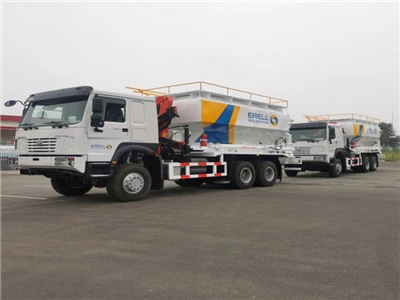
The material selection for underground loaders (LHDs) is the physical foundation for their ability to withstand extreme working conditions and ensure long service life and high reliability.In the complex underground environment characterized by moisture, corrosion, impact, abrasion, and limited space, each material has been carefully considered and verified to achieve the optimal balance between lightweight, high toughness, wear resistance, and corrosion resistance.
Structural Frame: A Unity of High Strength and Lightweight
The main load-bearing structures, such as the frame, boom, and lifting arm, generally utilize high-strength low-alloy steel. This type of steel, while ensuring excellent yield strength and tensile strength, also possesses better toughness and weldability, making it key to achieving a "strong and tough, lightweight and robust" design. Through finite element analysis and structural optimization, higher-grade steel can be used in critical stress areas to achieve precise strength distribution, effectively resisting rock impacts and operational stresses, while reducing weight and improving effective load capacity and mobility.
Bucket and Wear-Resistant Components: Armor Against Direct Impact
The bucket is the core component directly battling the ore and rock, making its material selection crucial. Wear-prone parts such as the cutting edge, teeth, and side edges generally utilize special steels with extremely high hardness and wear resistance, such as Hardox wear-resistant steel plates or alloy steel processed with special heat treatment. These materials can achieve a surface hardness of HB500 or higher, effectively resisting the cutting and grinding of sharp ores. Components such as the teeth are often designed as replaceable alloy cast steel parts and may be inlaid with high-hardness materials such as tungsten carbide particles, extending their service life several times over. The bucket body itself must possess both wear resistance and a certain degree of impact toughness to prevent overall brittle fracture.
Hydraulic and Transmission Protection: A Barrier of Sealing and Lubrication
Faced with high humidity and potentially corrosive moisture underground, corrosion protection for components such as hydraulic tanks, pipe joints, and transmission system housings is essential. Galvanized steel plates, stainless steel, or engineering plastics are widely used to manufacture tanks and covers, effectively preventing rust. Critical hydraulic lines utilize steel pipes or specialized hoses with anti-corrosion coatings. Exposed pins, bearing housings, etc., are often equipped with multiple rubber or polyurethane seals and designed with channels for repeated grease filling, forming long-lasting anti-corrosion and anti-wear protection.
Power and Running Gear System: Adaptable to Extreme Environments
Engine housings, radiators, etc., must withstand high temperatures, high humidity, and dust. Materials must possess excellent heat dissipation, vibration resistance, and corrosion resistance. While tires in the running gear system are consumables, critical components such as rims and planetary gear carriers are also forged or cast from high-strength alloy steel to withstand enormous impact loads. In extremely humid or highly corrosive mines, even the entire vehicle's wiring harness requires a special acid and alkali-resistant coating or sheath for full vehicle protection.
Intelligent and Human-Centered Extensions
With the development of automation and intelligence, the brackets and protective housings used to install lidar, millimeter-wave radar, and camera sensors need to be made of lightweight, high-strength aluminum alloys or composite materials. This ensures structural stability while minimizing interference with sensor signals. The cab frame and skin are also being developed using lighter and safer materials, while the interior uses flame-retardant, sound-absorbing, and vibration-damping environmentally friendly materials to improve operator safety and comfort.
Advanced Processes and Surface Treatments
The performance of materials depends not only on their inherent properties but also on excellent manufacturing and processing techniques. Key structural components are robotically welded to ensure weld quality and undergo vibration aging or heat treatment to eliminate internal stress. Important components undergo multiple treatments, including sandblasting, zinc spraying, and application of heavy-duty anti-rust primer and wear-resistant topcoat, forming a long-lasting protective layer. For particularly wear-prone areas, processes such as weld overlay of wear-resistant layers or bonding of ceramic composite wear-resistant plates can be used for reinforcement.
In conclusion, the selection of materials for underground loaders is an engineering science that seeks the optimal solution between rigidity and flexibility, lightness and solidity, and wear resistance and corrosion resistance. From the high-strength steel frame to the special alloy armor, and the details of corrosion and rust prevention, every material carries the mission of resisting harsh environments. The combination of scientific material selection and exquisite craftsmanship gives underground loaders a tough body capable of penetrating deep underground and operating for extended periods, which is the cornerstone for their efficient, reliable, and long-lasting operation.